Those dreaded words!! We seem to constantly hear of fatal accidents, inadequate equipment failure and unnecessary risks being taken in the construction industry.
Falls, trips and slips can happen in many industries, however, in construction due to the nature of the environment and the equipment used, they are often far more likely to be fatal. We are going to look at 10 main risk factors and how they can be prevented.
The 10 most common health and safety risks in the construction industry
Working from height
Falls, trips and slips
Moving Equipment
Noise
Vibration
Manual handling
Collapses
Asbestos
Electricity
Airborne dust
RISK 1 – WORKING FROM HEIGHT
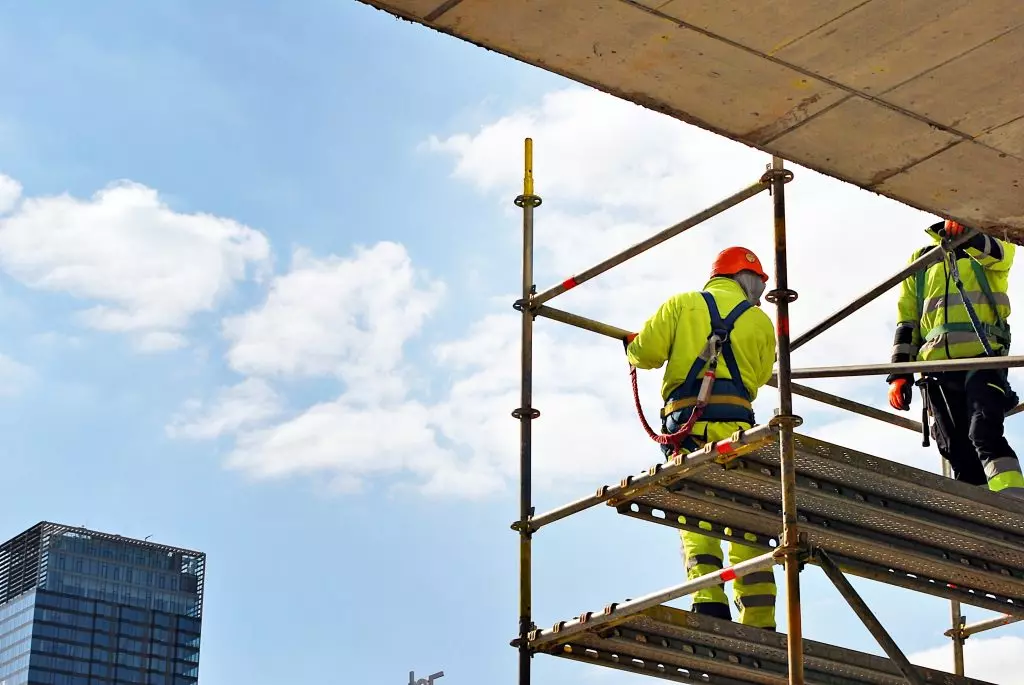
Understandably falling from a great height is going to cause significant injury and even death.
The most common causes for these falls are:
Unsecured or incorrect erecting of scaffolding or ladders
Lack of safety nets or guardrails
Unprotected edges
Loose equipment stored on roofs or raised pathways
In the case of all these potential hazards, it is essential that a risk assessment is carried out and preventive measures put in place. All work must be planned properly and supervised. The workforce must be trained in use and maintenance of the equipment
RISK 2 – FALLS, TRIPS & SLIPS
Primary sources of risk:
Wet and slippery surfaces
Materials or equipment not checked
Uneven surfaces and ground
Loose cables
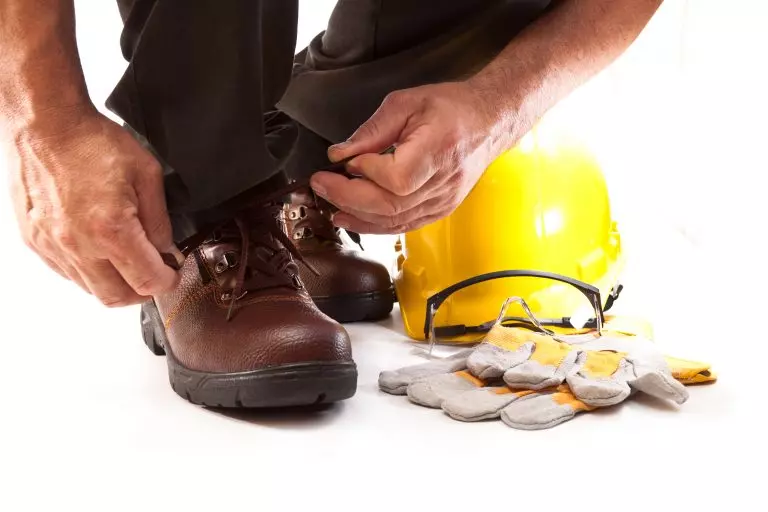
There should always be a designated area to ensure that all tools are kept safe and secure after use. Pathways should be always kept free from debris and hazards. All workers must wear proper PPE and receive regular updates to their training.
RISK 3 – MOVING OBJECTS
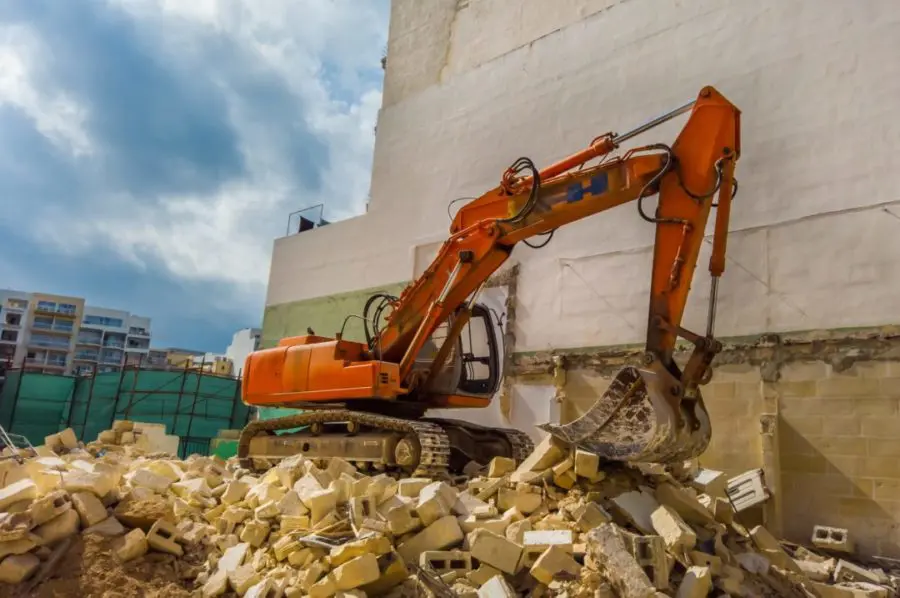
Moving vehicles, machinery and equipment are a constant hazard on construction sites. As the building site develops, the risks associated with it also increase.
Sources of risk:
Poor working light
Heavy duty vehicles
Overhead lifting equipment
Not enough space to maneuver
Having to work close to moving objects
In order to prevent these problems, work areas should be clearly defined. The workforce need to wear high vis jackets so they can be clearly seen by moving vehicles. Steel-toe capped boots are essential as well as helmets to protect against falling objects. It is advised that workers need to be vigilant and aware of their surroundings and not be tempted to cut corners.
RISK 4 – NOISE
Noise levels on a construction site can prove a significant safety risk. Excessive and repetitive noise levels cause impaired hearing which can lead to deafness. It has been estimated that 35% of construction workers in the EU have substantial hearing loss.
Risk Factors:
Power Tools
Groundwork equipment
Heavy duty vehicle
It is strongly advised that employers implement a risk assessment and provide their workers with the appropriate PPE in the form of soundproof headphones. Again, PPE is essential when working in high level noise areas.
RISK 5 – VIBRATION
Repetitive vibration caused by power tools can severely damage workers nerves and blood vessels. A condition known as HAVS (Hand and Vibration Syndrome) is a common injury in the construction industry. EU-OHSA estimates that 63% of workers in the EU suffer from this. If left untreated it can affect dexterity and the ability to grasp.
Sources of risk:
Handheld power tools
Ground working equipment
Vibrating power tools
If power tools are required, then they should be used for short periods of time only. It is important to keep these tools well maintained. Workers should be trained to use the equipment correctly and again wear the proper PPE including in this instance gloves.
In the Part 2 of this Blog we will look at the remaining 5 most common health & safety risks in the building industry.
It is very evident that risk assessments are vital and should never be overlooked no matter how big or small the project is.
Training of all workers is essential so that no workers are in a situation where they are handling equipment or operating cranes or machinery that they are ill equipped to handle.
Let’s all work together to improve standards within the industry!
Experience the vibrant journey of compassion and community with the Colours of Malta Calendar 2025, presented by R.A. & Sons Manufacturing. This calendar highlights Malta's rich cultural heritage while featuring a different charitable cause each month. Join us in supporting local foundations and inspiring awareness throughout the year. Discover the stories behind each cause and find meaningful ways to contribute!
This December, RA & Sons Manufacturing is supporting the Foodbank Lifeline Foundation by encouraging customers to donate essential food items that will be passed directly to individuals and families facing hardship. These contributions help the foundation provide emergency food parcels to those most in need, especially during the festive season when demand is at its highest. To see how you can support their work or make a direct contribution, visit
Throughout December, R.A. & Sons Manufacturing is focusing its community efforts on supporting the Foodbank Lifeline Foundation by encouraging customers to donate essential food items. This month’s initiative reflects our commitment to helping families facing hardship, especially during a period when demand for support is at its highest. By joining us and contributing what you can, you help provide emergency food parcels to individuals and households in need across Malta and Gozo. Together, we can offer practical help and a sense of hope to those who need it most.
Whilst every effort has been taken to confirm the accuracy of the information presented in this article, R.A. & Sons Ltd and R.A. & Sons Manufacturing Ltd cannot be held responsible for errors and / or omissions or for any direct or indirect consequences resulting from the use and application of its products.
The company expressly disclaims any and all liability as to any results obtained or arising from any use of its products or reliance on such information; no warranty of fitness for any particular purpose or any other warranty, expressed or implied, is made concerning the goods described or the information provided herein.